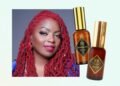












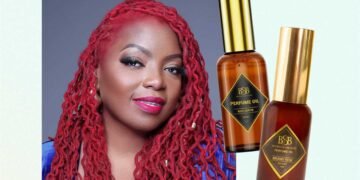








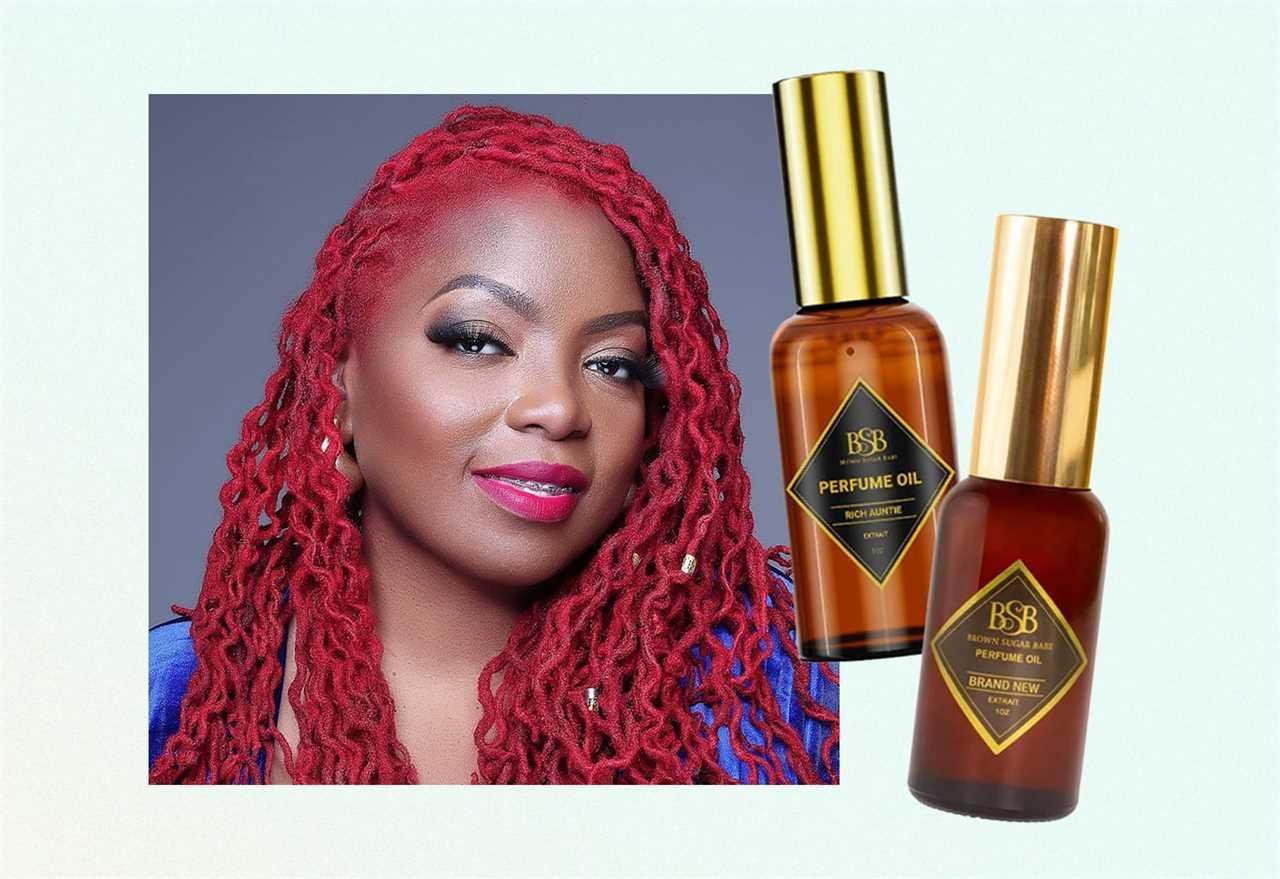
Brown Sugar Babe started with about $300, a few bottles, and an idea in Maekaeda Gibbons’ kitchen.
In 2018, Gibbons was working as a loan officer at Bank of America and had developed a taste for fragrances that didn’t always fit comfortably into her budget. So she decided to experiment with making her own.
She spent roughly $54 on bottles and used the rest of the money to buy carrier oils. What started as a personal hobby quickly caught the attention of her coworkers, who began asking if they could buy her creations.
Seven years later, the Atlanta-based fragrance and body-care company generated $21 million in gross revenue in 2025, according to financial records and digital sales dashboards reviewed by Business Insider. And Gibbons did it without bringing in outside investors.
Building Without Outside Investment
Brown Sugar Babe’s growth is notable not only because of how little Gibbons started with, but because of how she chose to scale.
The company has remained self-funded.
That meant growth didn’t always happen as quickly as Gibbons might have wanted. Instead of raising venture capital, she relied on revenue, personal credit, and careful decisions about where to put the company’s money.
As demand increased, so did the size of those decisions.
At one point, Brown Sugar Babe made purchases totaling approximately $5.5 million over three months to secure about two years’ worth of ingredients and inventory. Gibbons considered financing the purchases but ultimately chose to pay for them over time without bringing outside investors into the company.
Maintaining that independence has allowed Gibbons to retain control over how Brown Sugar Babe grows.
Listening to the People Buying the Product
One of the company’s most important resources hasn’t been a boardroom or a group of investors.
It’s been its customers.
Gibbons regularly uses feedback and surveys from Brown Sugar Babe’s social media community to understand what people want the company to make next. That relationship has helped turn an online fragrance business into a community with a particularly loyal following.
Brown Sugar Babe has also deliberately carved out its own corner of the fragrance market.
Instead of competing heavily in traditional alcohol-based eau de parfums, the company focuses primarily on fragrance oils. Its broader lineup includes body oils, scrubs, butters, and skincare products.
Gibbons told Fashionista earlier this year that real-world experiences have also been important to the company’s growth, pointing to events such as Essence Fest and Beautycon as opportunities to build deeper connections with customers beyond social media.
From Online Brand to Atlanta Flagship
Eventually, that desire for an in-person connection led Brown Sugar Babe into physical retail.
In 2025, Gibbons opened the company’s flagship store in Atlanta, investing approximately $1.2 million into construction, branding, and the store’s grand-opening experience.
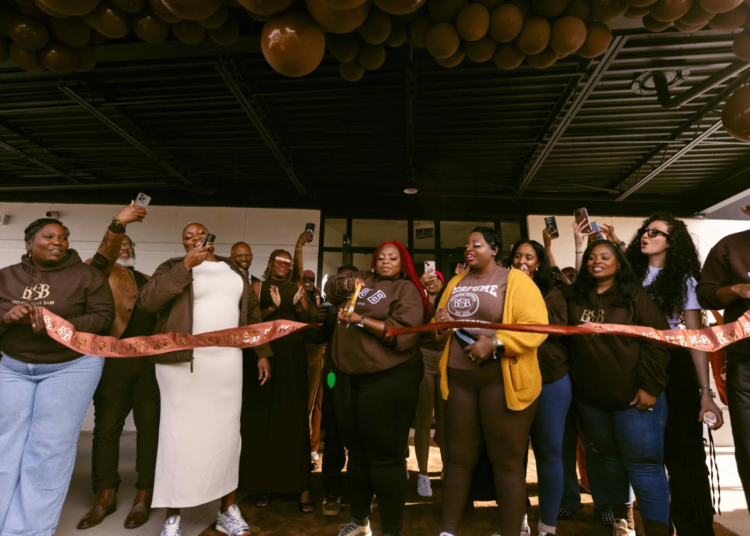
For a company that had largely grown online, the store represented something bigger than another place to sell products.
It gave the community Brown Sugar Babe had cultivated online a physical home.
The expansion hasn’t stopped there. Earlier this year, Gibbons discussed plans surrounding the company’s own factory as Brown Sugar Babe continued navigating the challenges that come with operating a rapidly growing independent fragrance business.
A $300 Bet on Herself
There’s an appealing simplicity to the beginning of Brown Sugar Babe’s story.
Gibbons wasn’t sitting on millions in startup capital. She wasn’t backed by a venture capital firm. She wasn’t launching with a massive retail partnership.
She had $300.
She bought some bottles and oils, started experimenting in her kitchen, and discovered that other people wanted what she was making.
What happened afterward required considerably more than a good origin story. Building Brown Sugar Babe into a company generating $21 million in annual gross revenue meant taking financial risks, responding to customers, managing inventory, and continuing to reinvest in the business.
But the foundation remained the same: Gibbons bet on an idea—and on herself.
Today, Brown Sugar Babe stands as another reminder that some of the most compelling Black-owned businesses aren’t simply attracting investment. They’re building wealth, creating brands, and scaling on their own terms.