




















Black entrepreneurship in America is growing — and some Black-owned businesses are operating at a scale that doesn’t always make the headlines.
ForbesBLK recently unveiled its inaugural 25 Top Businesses to Watch, spotlighting Black-owned employer businesses across industries including construction, healthcare, technology, food, hospitality and manufacturing.
Together, the 25 companies already employ more than 16,000 people, offering a glimpse at the size and reach of Black-owned businesses operating across the country.
Black-Owned Businesses Are Reaching New Heights
The recognition comes alongside a significant milestone.
The number of Black-owned U.S. businesses with at least one employee surpassed 200,000 for the first time in 2023, according to Brookings Institution’s analysis of Census Bureau data.
Those businesses generated a combined $249 billion in revenue, provided more than 1.8 million jobs and paid nearly $70 billion in salaries that year. The number of Black-owned employer firms also grew 62% between 2017 and 2023.
That broader growth provides important context for the ForbesBLK list: these aren’t simply promising startups. The companies selected range from newer venture-backed businesses to multigenerational enterprises that have been operating for decades.
Billion-Dollar Businesses Are on the List
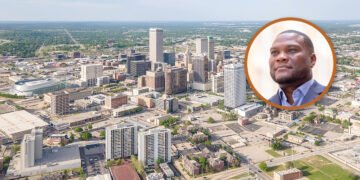
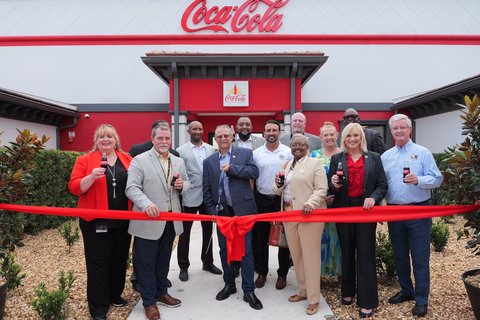
Among the companies highlighted is Coca-Cola Beverages Florida, founded and led by Troy Taylor. Forbes reports that the Tampa-based bottler generated approximately $2.2 billion in revenue in 2025 and employs more than 5,000 people.
Also selected was Voltava, the automotive manufacturing group founded by Pro Football Hall of Famer Bruce Smith. Forbes reports the company generates approximately $2.3 billion in revenue and employs more than 5,000 workers.
Then there’s Baldwin Richardson Foods, the family-owned food company led by sisters Erin Tolefree and Cara Hughes. Forbes estimates its sales at $600 million. The family’s business legacy stretches back to their grandparents, George and Joan Johnson, founders of Johnson Products Company — the company behind iconic Black hair-care brands including Afro Sheen.
From Healthcare to Barbershop Technology
The list also demonstrates just how broad Black business ownership has become.
Cityblock Health, co-founded and led by Dr. Toyin Ajayi, provides healthcare primarily to Medicaid and dual-eligible patients. The company now serves nearly 200,000 members nationwide and recently announced a $116 million Series E funding round.
Squire Technologies has built a technology platform serving more than 3,000 barbershops, while Thompson Hospitality provides dining services to corporations and 18 historically Black colleges and universities.
Construction is represented, too — including a company whose Black business legacy stretches back more than a century.
More Than 120 Years of Black Ownership
McKissack, founded in 1905, is recognized as the nation’s oldest Black-owned construction company.
The family-owned firm has worked on more than 6,000 projects and expects revenue to reach $118 million in 2026. Fifth-generation owner Cheryl McKissack Daniel recently transitioned from CEO to chair of the board after leading the company for 25 years.
That longevity sits alongside much younger companies on the ForbesBLK list, illustrating something particularly encouraging about the current Black business landscape: there isn’t one model for building a successful Black-owned company.
Some are inherited and expanded across generations. Others are venture-backed startups. Some employ thousands of people, while others are building toward their next stage of growth.
Black Business Is Big Business
There’s still considerable room to grow.
Despite the recent gains, Black Americans remain underrepresented among owners of employer businesses. Brookings found that Black Americans represented 3.4% of employer business owners in 2023 while accounting for 14.4% of the U.S. population.
But the trajectory matters.
More than 200,000 Black-owned employer businesses. More than 1.8 million jobs. Nearly a quarter-trillion dollars in annual revenue.
Those numbers tell a bigger story than any single list can capture. Black entrepreneurs aren’t simply starting businesses — they’re building companies that employ people, serve communities, compete across major industries and, in some cases, endure for generations.
And that’s a story worth watching.