























Some of the places that helped shape Black history in America are about to receive millions of dollars toward making sure their stories survive.
The National Park Service has awarded $21.8 million to 55 projects across 18 states through its African American Civil Rights Preservation and History Grant Program. The funding will support historic Black churches, schools, museums, archives and other places connected to the long struggle for equality in the United States.
And for many of these places, preservation means more than maintaining an old building. It means protecting the physical spaces where Black communities organized, learned, worshipped and pushed the country forward.
Preserving Places Where History Happened
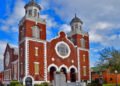
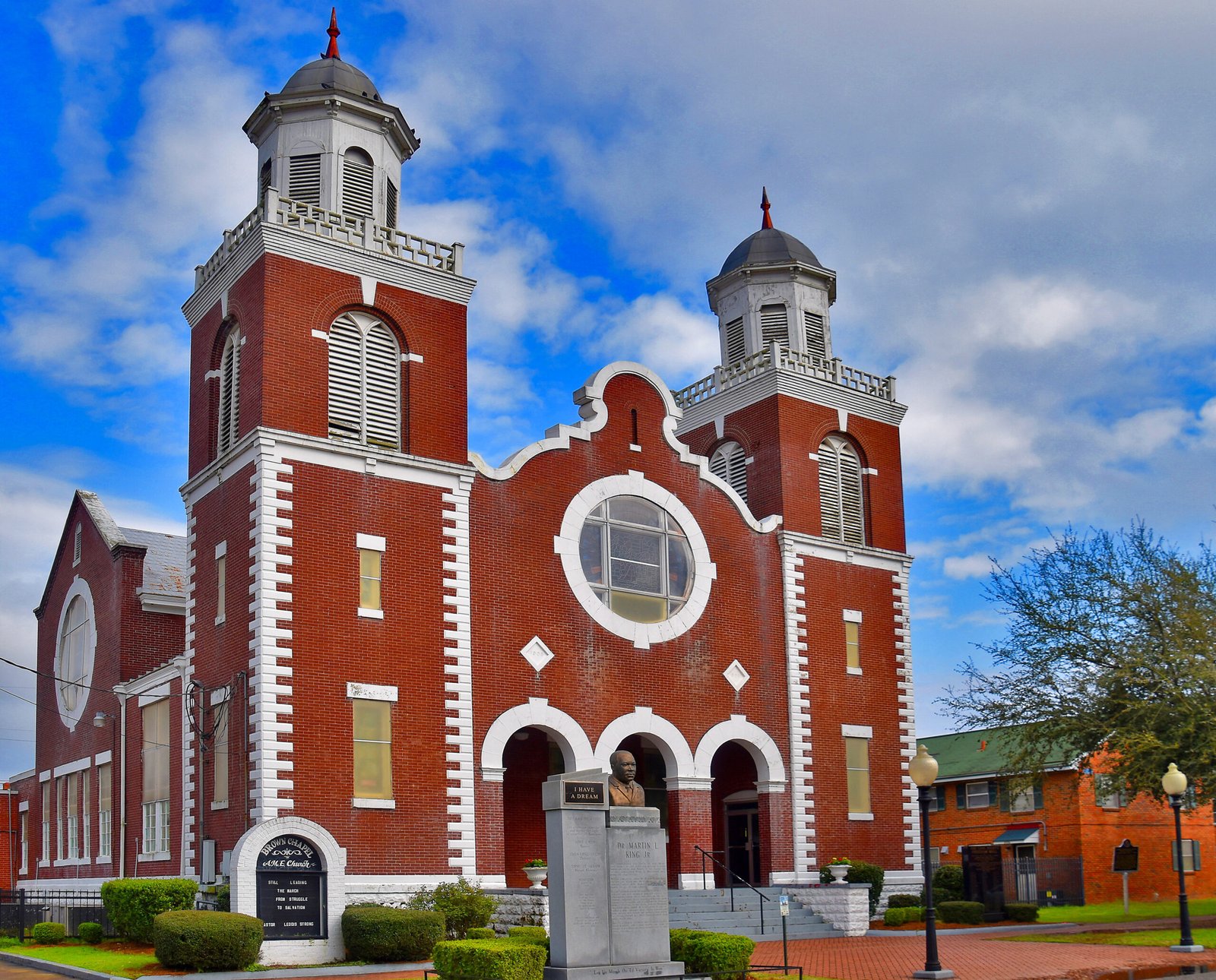
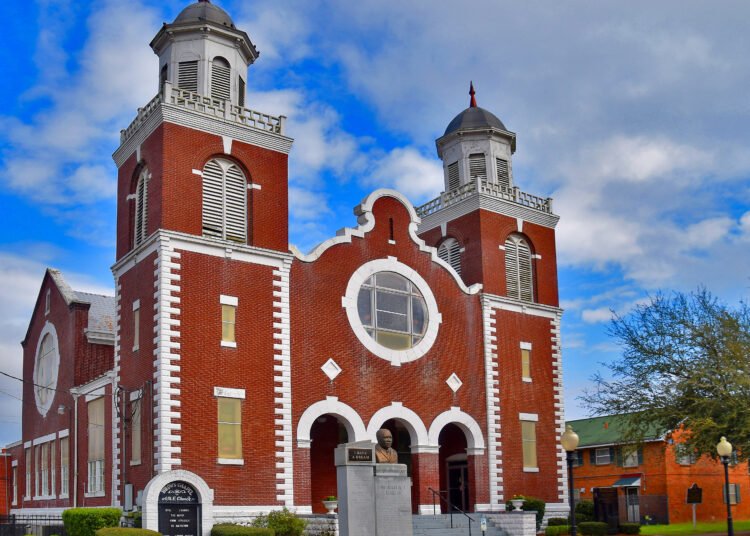
Among the recipients is Brown Chapel A.M.E. Church in Selma, Alabama, which will receive $750,000 to restore the sanctuary’s stained-glass windows.
Brown Chapel served as a headquarters for the Selma voting rights movement and was the starting point for the historic Selma-to-Montgomery marches in 1965. The church’s role in that movement helped make it one of the most recognizable landmarks of the Civil Rights era.
But the grants stretch far beyond Selma.
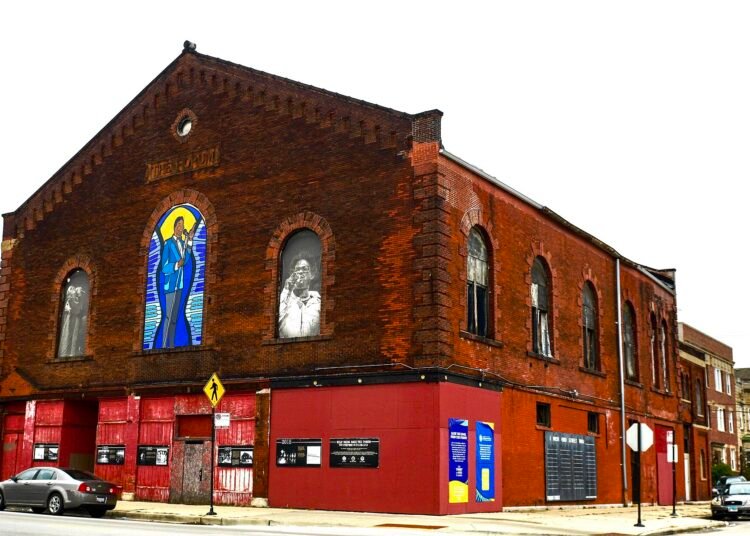
In Chicago’s Bronzeville neighborhood, The Forum will receive $750,000 for the second phase of its rehabilitation. Built in 1897, the historic venue became an important gathering place in Black Chicago and played a role in the community’s support for the national Civil Rights Movement.
From Black Schools to Community Institutions
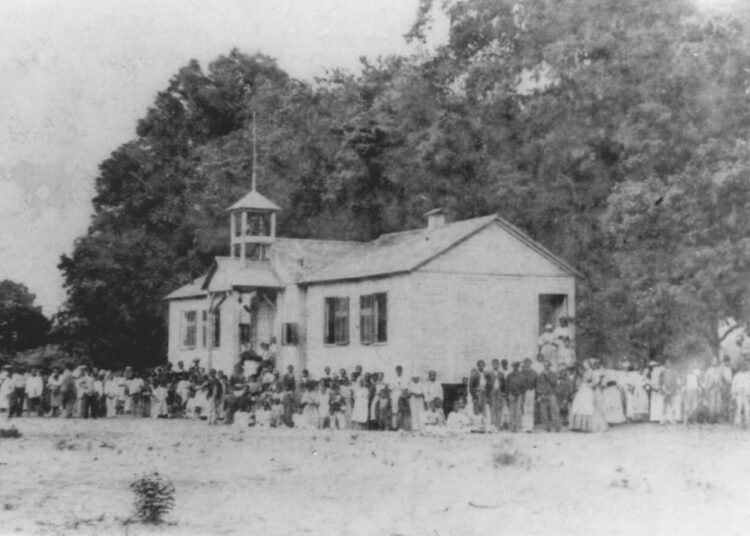
Education is another major part of this preservation effort.
Projects in Georgia include $750,000 awards for the Historic Girard Elementary School, Cuyler School, Historic Springfield Log Cabin School and Warm Springs Eleanor Roosevelt School. In Mississippi, the Drew Rosenwald School will receive $750,000 for its second phase of rehabilitation.
At Penn Center on St. Helena Island, South Carolina, another $750,000 will support stabilization and rehabilitation of the Butler Building. Penn Center traces its roots to the Penn School, founded in 1862 to educate formerly enslaved people and today remains an important site connected to Black education and history.
The grants also extend beyond restoring buildings. Chicago’s DuSable Black History Museum and Education Center will receive $100,000 for a collections and digitization plan, while other projects will document historic districts, preserve archives and expand access to Black history.
More Than Saving Old Buildings
The money comes through the Historic Preservation Fund, which has supported preservation efforts around the country since 1977. The fund is financed through revenue from federal offshore oil and gas leases rather than taxpayer dollars.
That investment matters because Black history doesn’t live only in textbooks.
It lives in churches where communities organized. In schools where generations of Black children learned. In museums preserving objects and stories that might otherwise disappear. And in buildings where ordinary people gathered before becoming part of extraordinary moments in American history.
Preserving those places gives future generations something powerful: the opportunity not simply to read about that history, but to stand where it happened.